From wooden piers to modern waterfronts
Follow the lines where trade met politics and watch how the city reshaped itself around bridges, palaces and the sea.
Table of Contents
From Viking traders to modern Stockholm
In the earliest records, what we call Stockholm was a string of islets and shorelines where seafarers moored their boats and bartered goods. Timber and tar, furs and iron, fish and grain moved along these channels, and the narrow waterways shaped how neighborhoods formed. The city’s geography offered a natural moat and excellent access to the Baltic trading routes — qualities that attracted rulers, merchants and craftsmen. As you ride the hop‑on route you follow those old trade lines: quays where boats still tie up, streets that once served warehouses, and bridges that replaced ferry crossings.
Over the late medieval and early modern periods Stockholm took on a distinctly civic identity. Royal palaces and administrative buildings consolidated power; guilds and merchants organised the economy; stone replaced wood in prominent quarters. The visible architecture — ochre façades, cobbled alleys and baroque frontages — masks a longer, rougher history of shipbuilding, fires, and rebuilding. Understanding Stockholm means reading the layers: the medieval cellars, the 17th‑century façades and the 19th‑century embankments that made modern commerce possible.
Gamla Stan: the medieval heart
Gamla Stan is the island where Stockholm’s medieval identity remains most tangible. Walkable and compact, its lanes were once the city’s market, its port and its administrative hub. The Royal Palace dominates one side of the island, a ceremonial stage for royal life and national rituals, while churches and guild houses hint at civic order. Each alley and threshold preserves traces of centuries: worn stone steps, engraved cartouches and hidden courtyards where merchants once traded in hushed tones.
Visitors who hop off here should allow time to linger. Explore side streets, glance up at carved doorways, and pause in a small café for a ‘fika’ — the Swedish coffee break that is itself part of everyday culture. Gamla Stan shows how political power and daily life coexisted: royal pageantry and market stalls, stately halls and ordinary homes pressed side by side.
Water, trade & urban growth
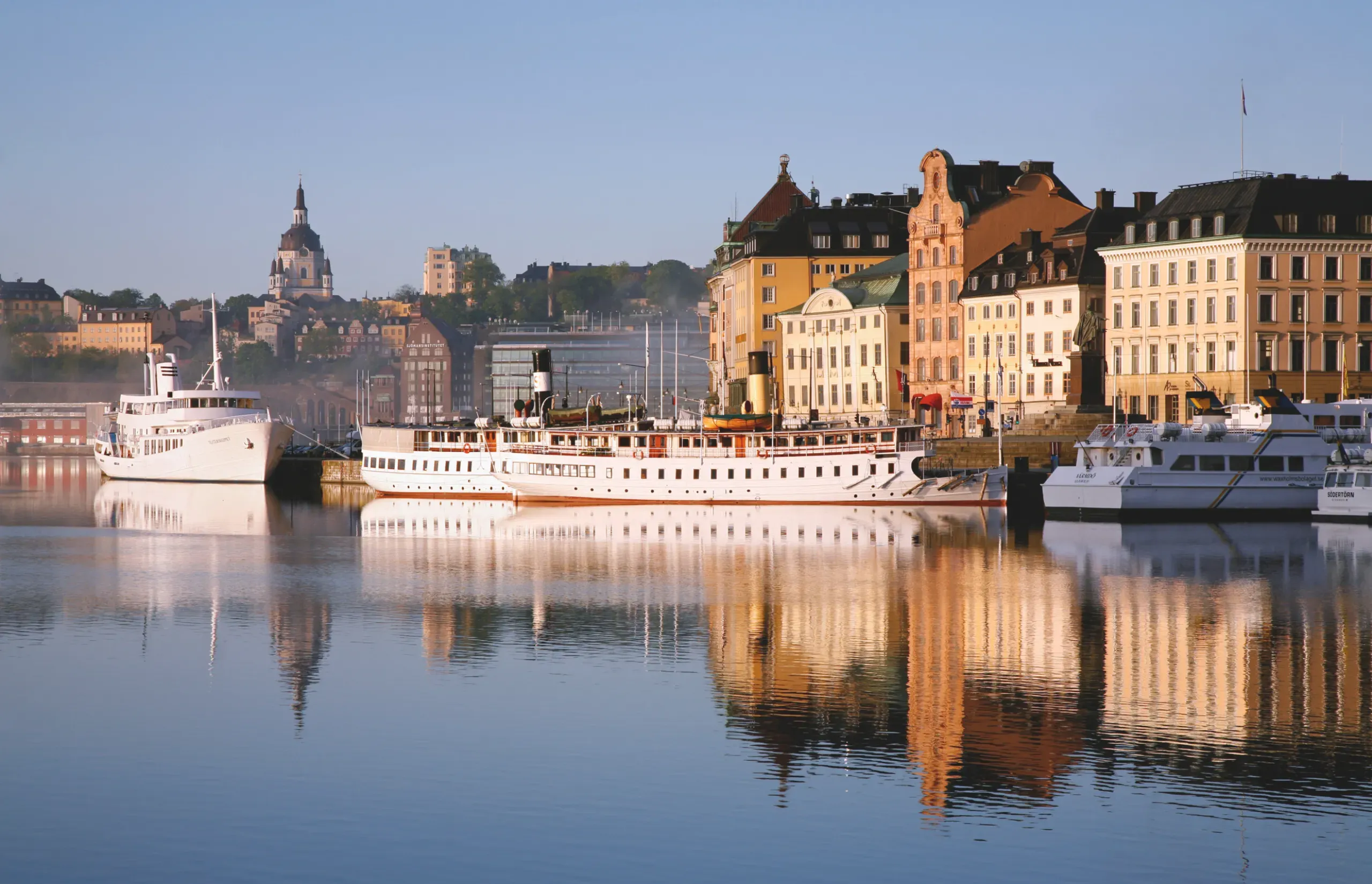
Stockholm owes much of its character to the sea and the lake. Timber, iron and commodities flowed through its ports and underpinned Sweden’s medieval and early modern prosperity. Quays evolved into promenades; old warehouses have been converted into museums, galleries and apartments — a physical narrative of changing economies.
On the hop‑on route you’ll notice cranes turned into design accents, piers reimagined as cafés and old shipyards repurposed for public life. Markets still sell seasonal produce and smoked fish, connecting the contemporary city with centuries of commerce and culinary tradition.
Djurgården: palaces, museums & green lungs
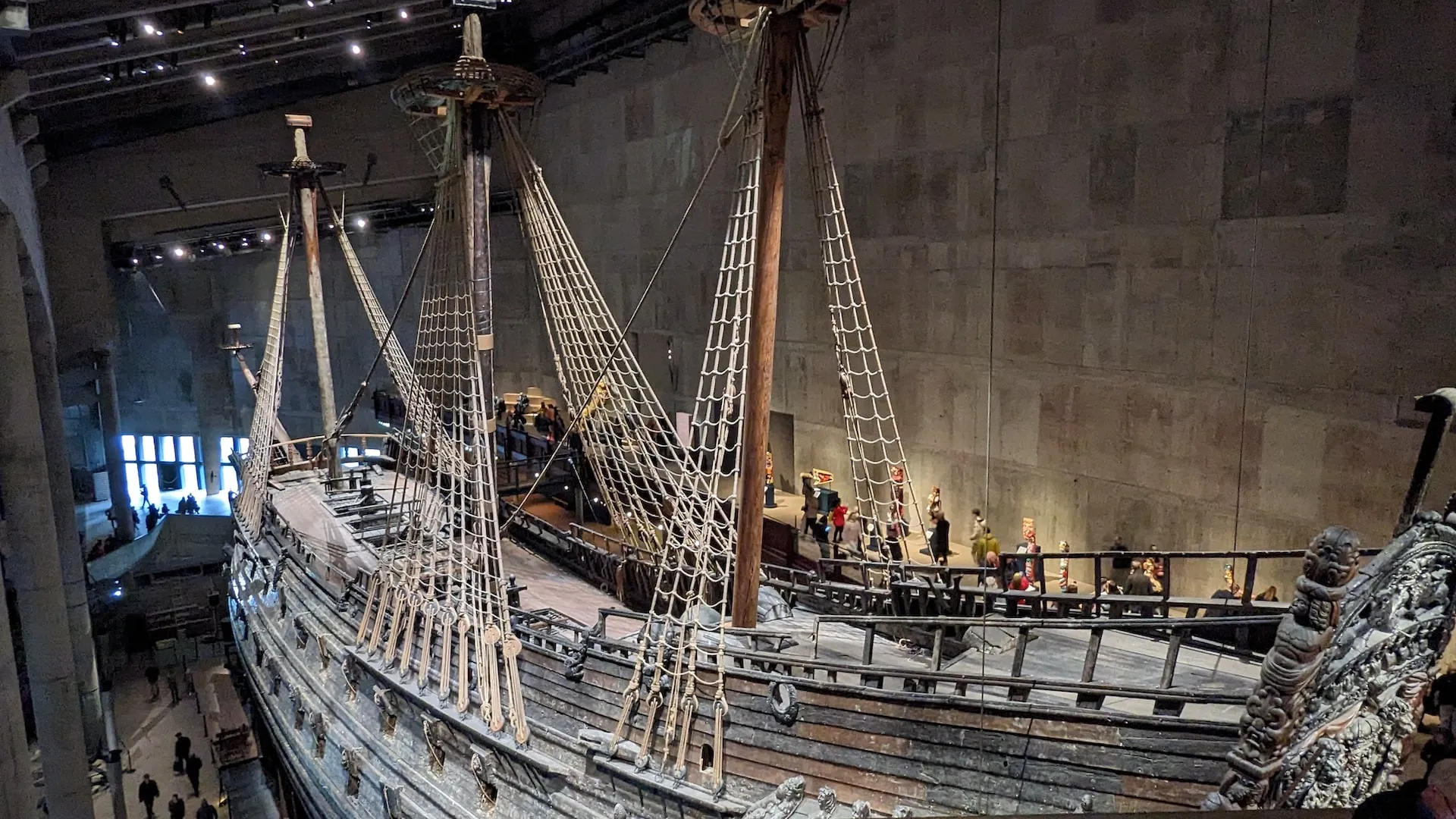
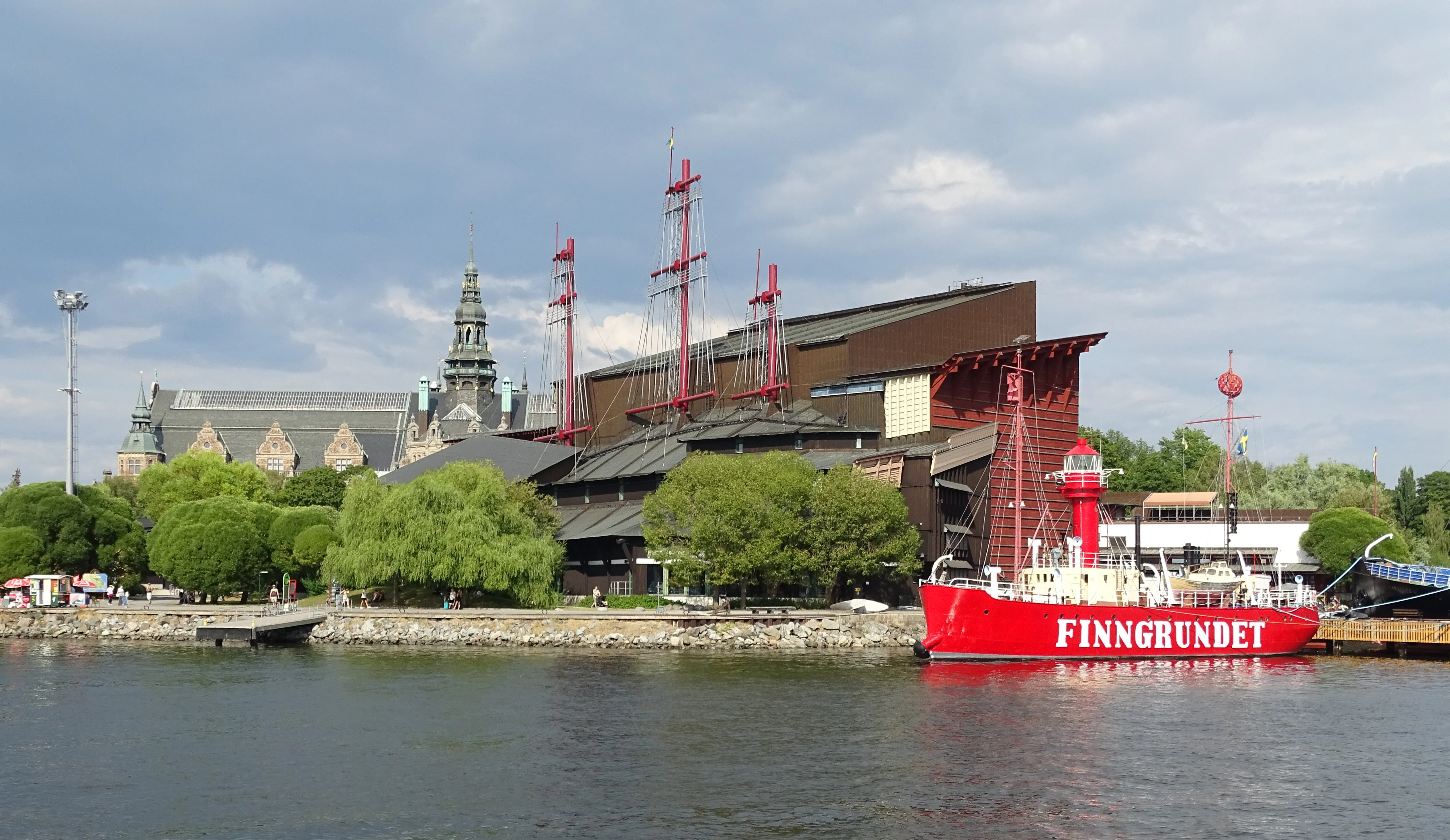
Djurgården began as royal hunting grounds and evolved into a cultural island beloved by families and museum‑goers. The Vasa Museum preserves a 17th‑century warship raised from the harbour; Skansen recreates historic Sweden with living history demonstrations; and countless gardens and shoreline paths make it a breath of green within the city.
A long visit here rewards curiosity: maritime relics, design museums and quiet promenades invite both learning and relaxation. Families often spend hours exploring Skansen’s exhibits or watching the Vasa’s enormous hull dominate an exhibition hall.
Royal palaces and waterfront promenades
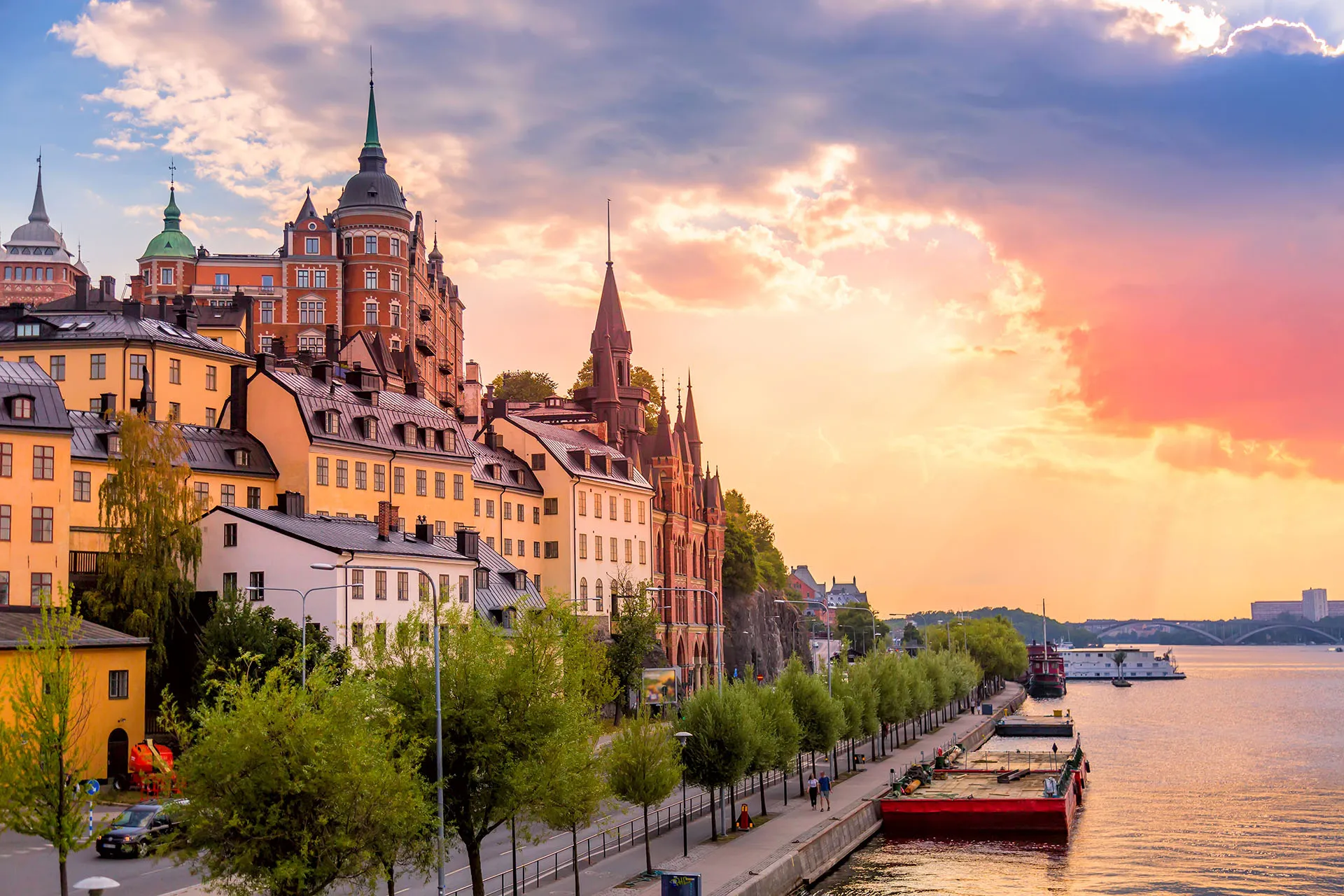
The Royal Palace, Svenska Akademien and City Hall speak to Sweden’s ceremonial side. Ceremonies, national celebrations and municipal milestones happen along these façades and quays, where civic life meets maritime spectacle. Strandvägen’s elegant apartment buildings and the promenades of Östermalm show how 19th‑century wealth reshaped the shoreline into a fashionable corridor.
From a hop‑on viewpoint you see how utility and splendour sit side by side: warehouses refitted into cultural venues, docks used for leisure craft, and embankments where people stroll between cafés and galleries.
From shipyards to design districts
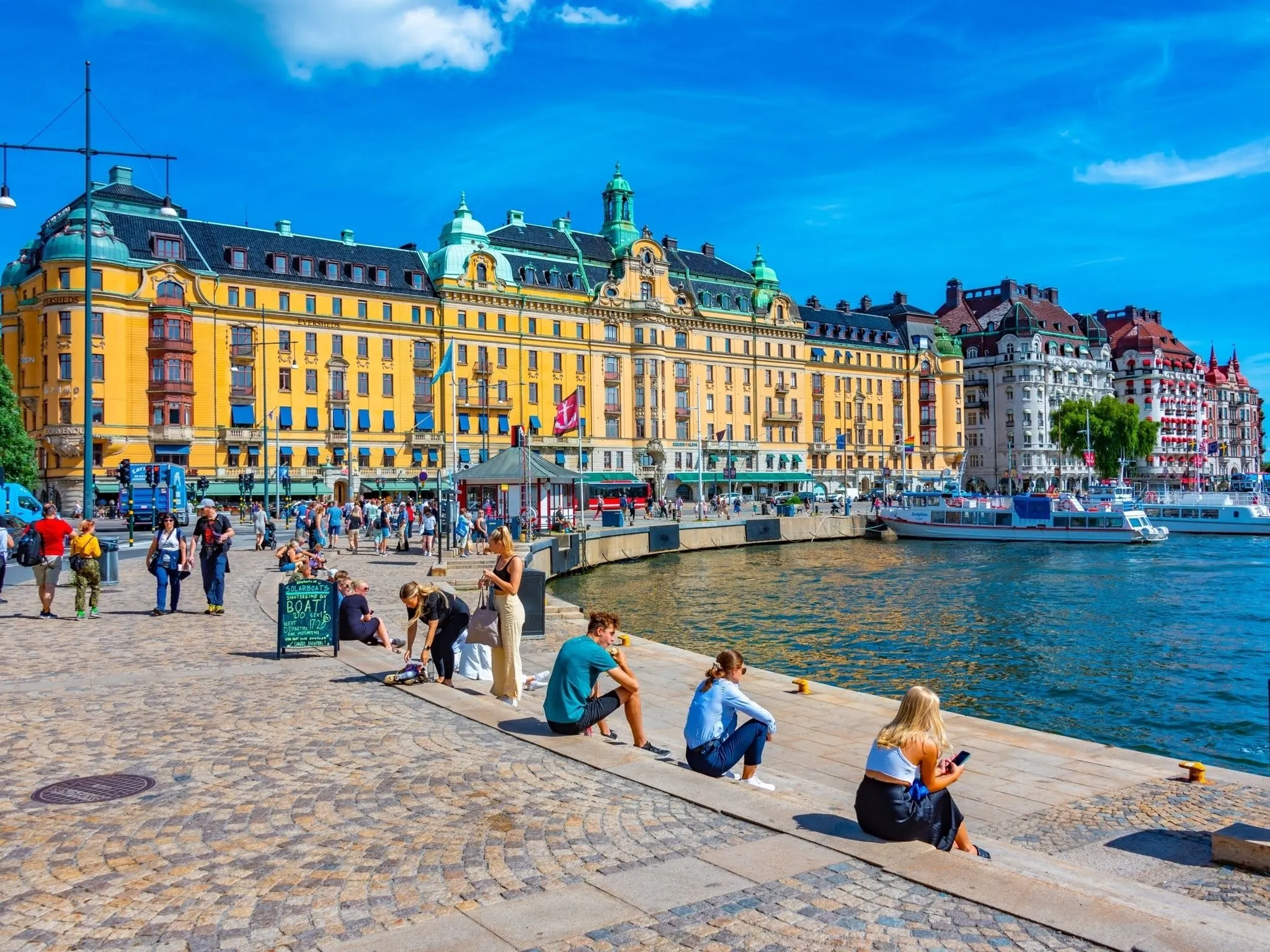
Industrial neighbourhoods close to the water were once hubs for shipbuilding and heavy trade; today many have been reborn as centres of design, food and creative industry. Areas of Södermalm pulse with independent shops, studios and a café culture that blends everyday life with inventive culinary scenes.
The city’s design legacy is visible everywhere — functionalist architecture, stylish public spaces and a strong emphasis on human‑scale urban planning. Hop off to wander streets where old factories host galleries, concept stores and craft bakeries.
Bridges, ferries and the archipelago
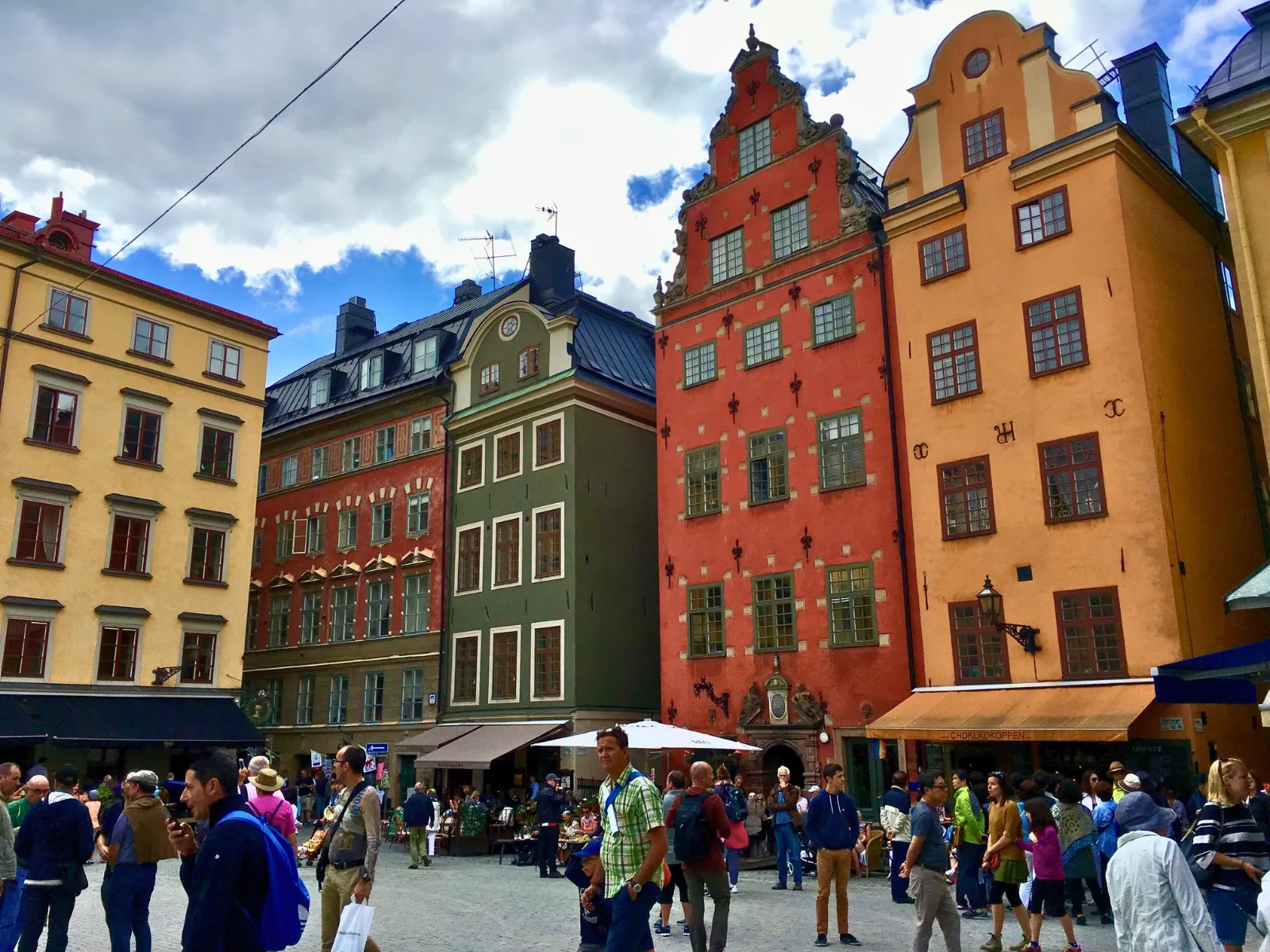
Stockholm is stitched together by bridges and short ferry hops. These connections are not just practical; they are a key part of the city’s drama — the sightlines, the changing water, and the rhythm of boats and bridges define the local experience.
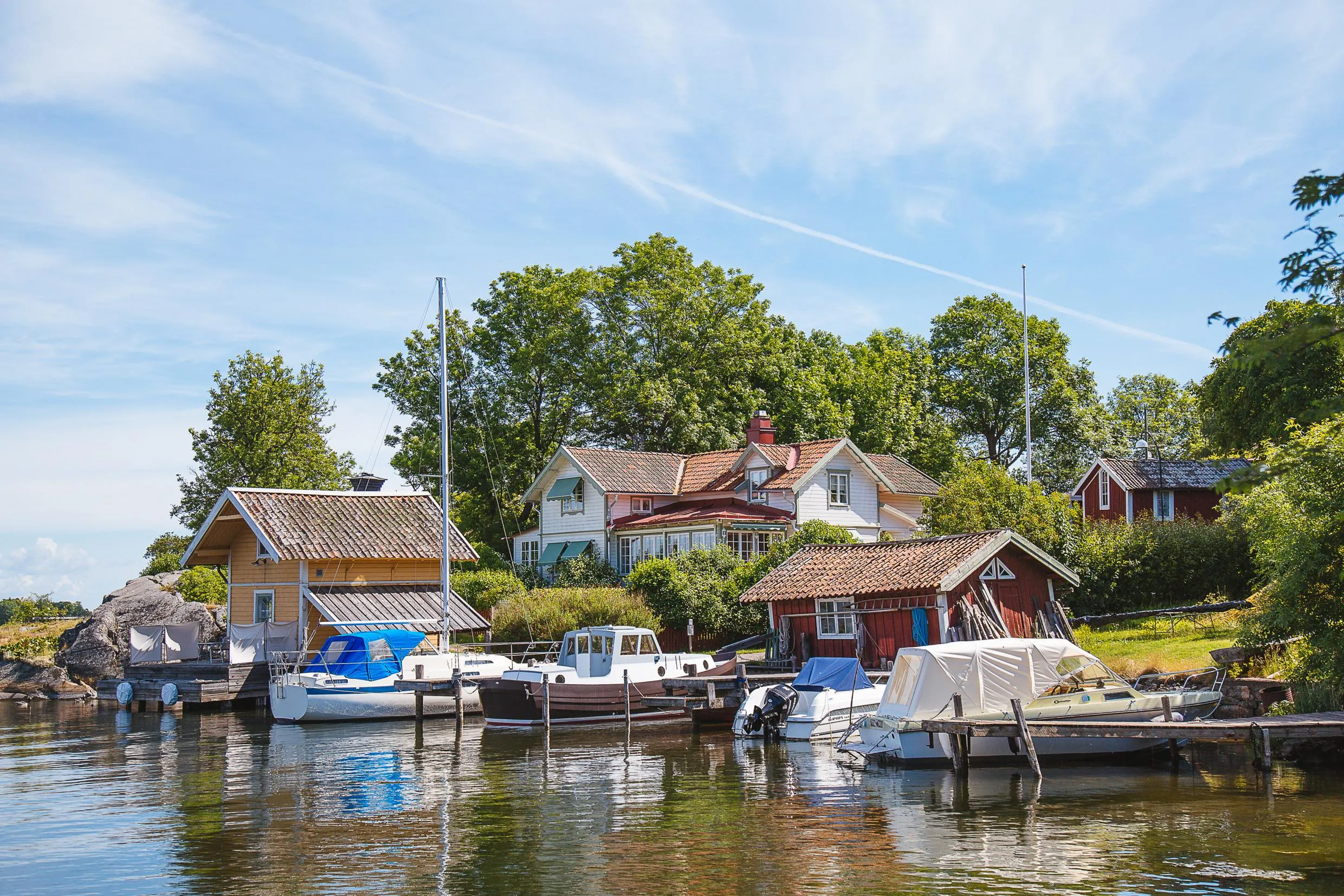
Consider combining a hop‑on day with a longer archipelago trip to taste the small‑island life: red boathouses, seaweed‑fringed shores and tiny cafés where locals spend summer weekends.
Crowds, safety & accessibility
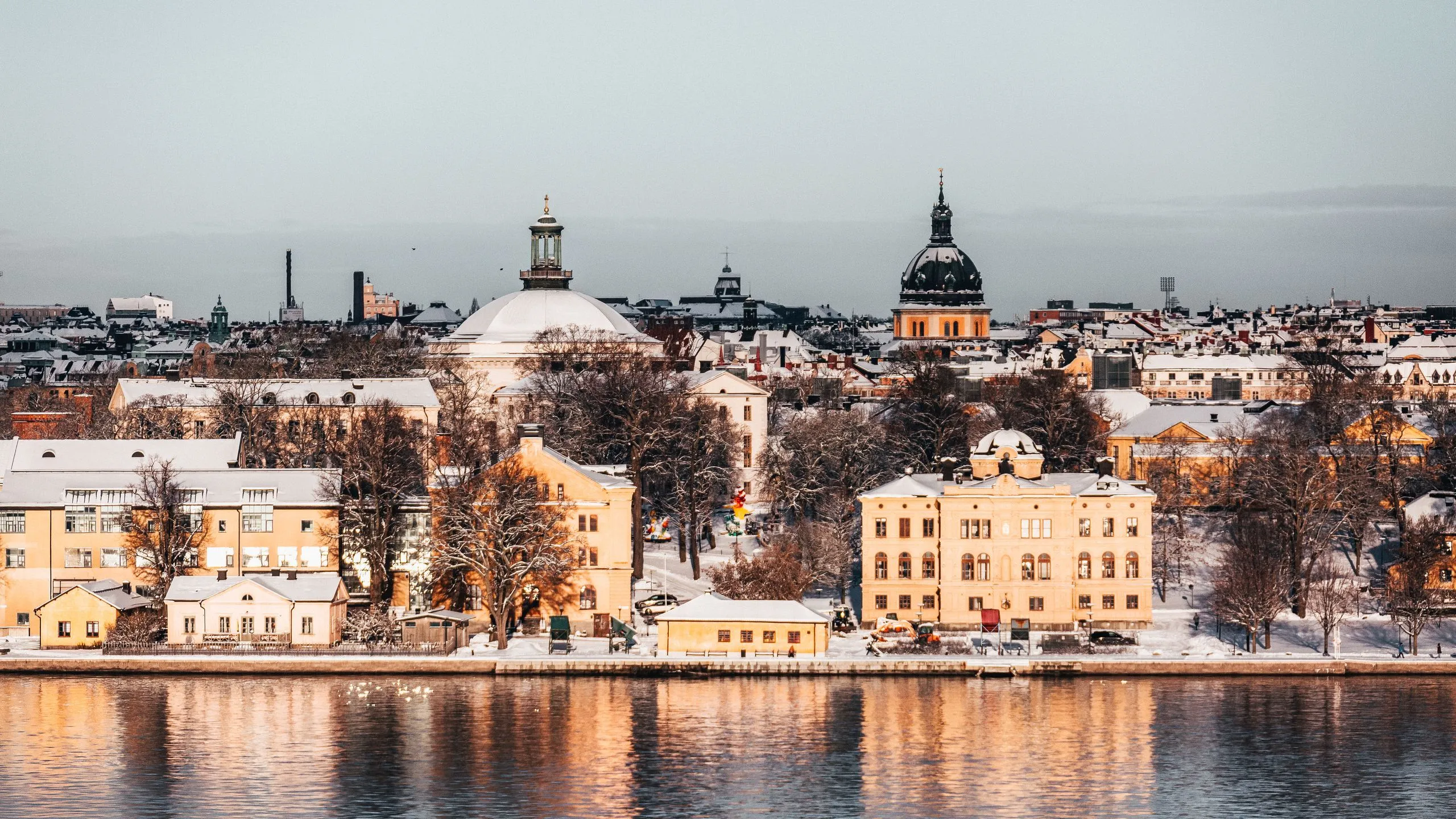
Stockholm is generally safe and well serviced, but busy summer days draw crowds to prime museums and piers. Keep your belongings close in crowded places and follow staff guidance at boarding points — especially when stepping onto boats or onto busy quays.
Accessibility is good at major stops and museums, with ramps and lifts at many sites. If step‑free access is essential, check stop details or contact the operator ahead of time to plan the smoothest route.
Festivals, culture & seasonal rituals
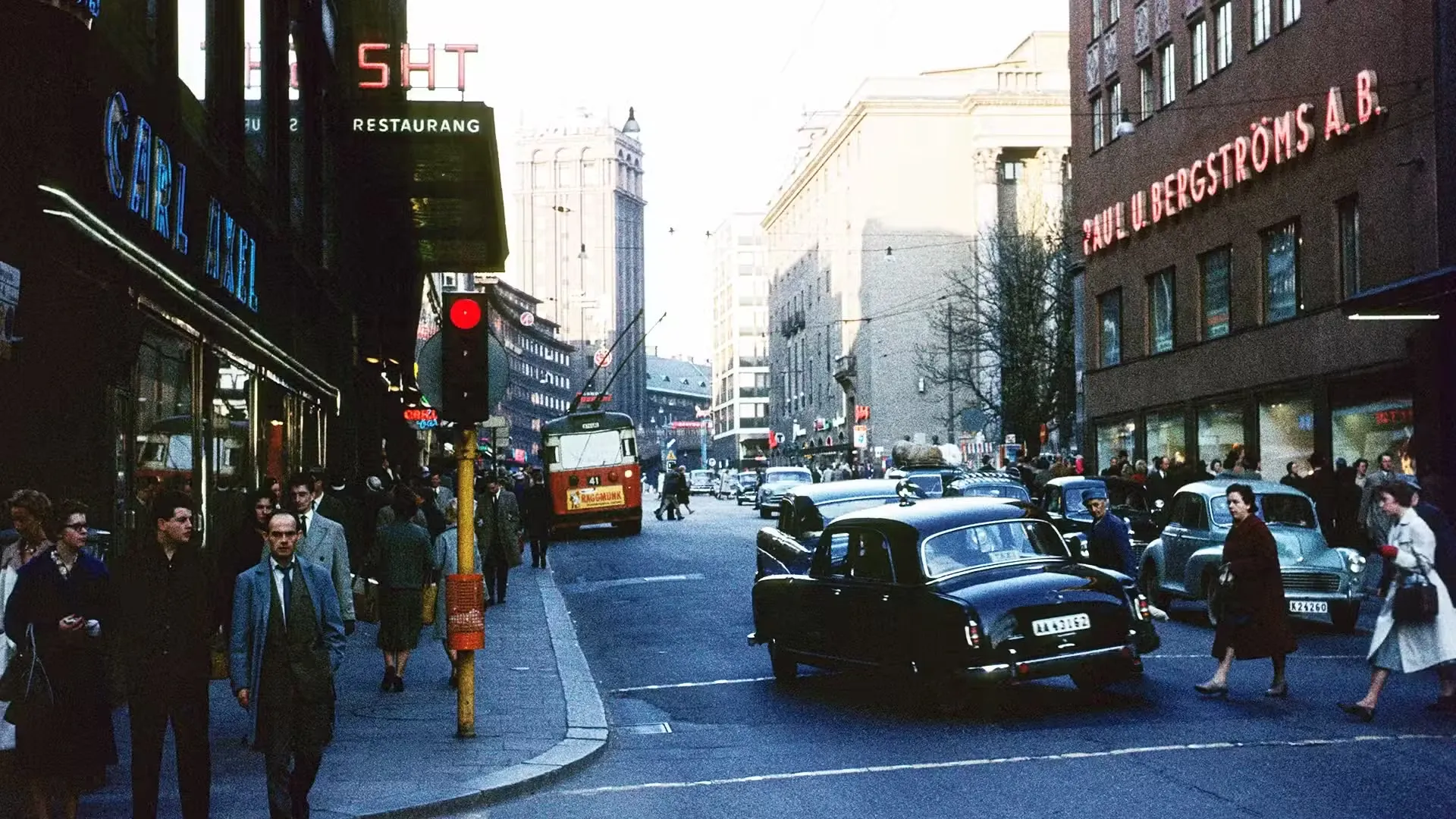
Stockholm’s cultural calendar pulses with summer concerts, Midsummer celebrations, design weeks and food markets. These events often spill onto the streets and piers, adding local colour to the hop‑on experience and sometimes requiring temporary route adjustments.
Even outside major events, local rituals — morning runners on the quays, families picnicking on park lawns, and evening sauna trips followed by a sea plunge — make the city feel alive and lived‑in.
Tickets, passes & smart planning
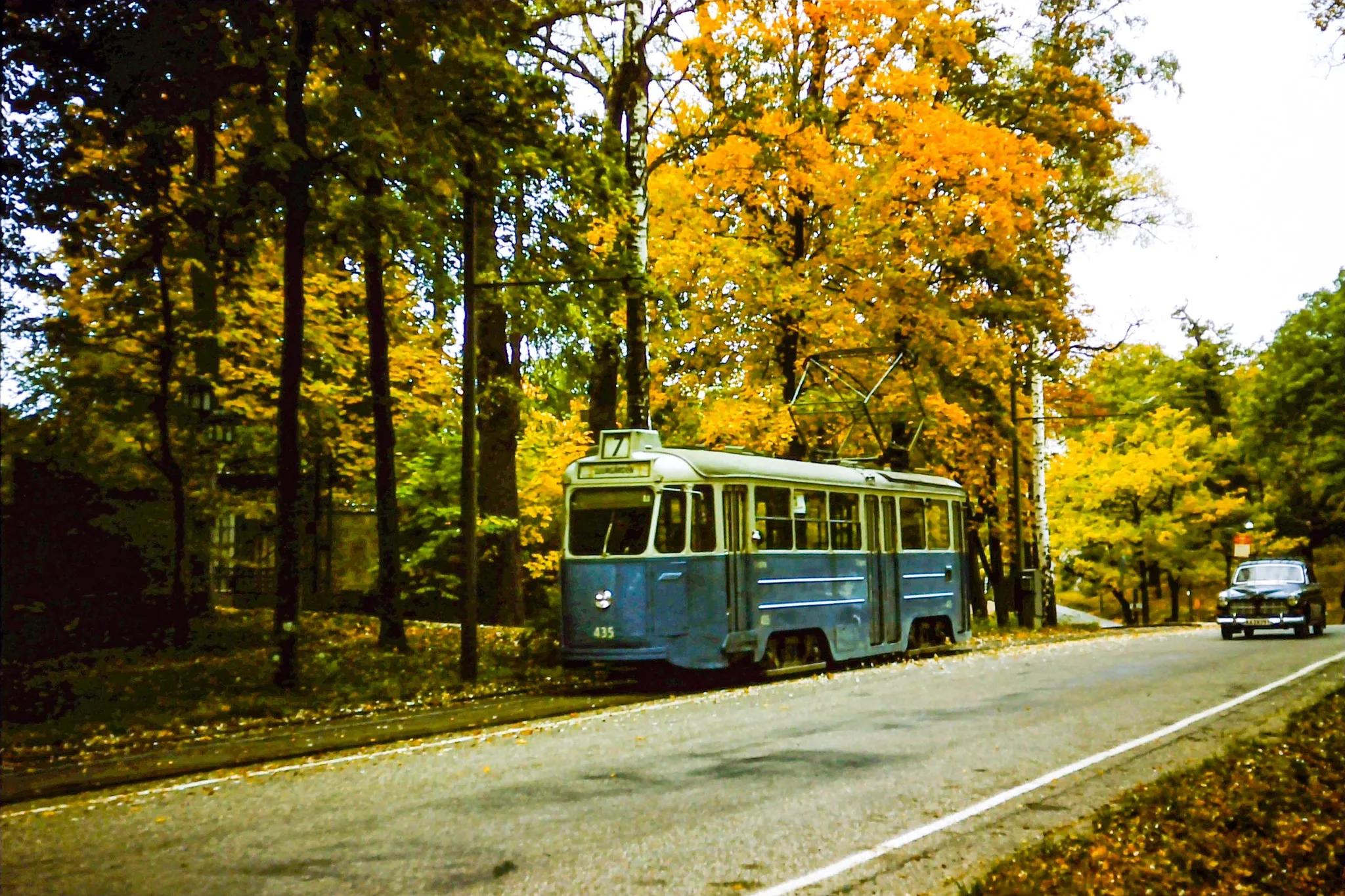
Operators offer a range of tickets and bundles — from short loops to full‑day passes and combined museum or boat offers. Read what each pass includes so you don’t buy duplicate museum tickets or miss boat segments that require timed bookings.
If your time is limited, choose a shorter pass or prioritise a couple of islands; for a relaxed discovery, a full‑day pass lets you hop off for museum visits, lunch and long walks without worrying about transport between sites.
Conservation in a lively city
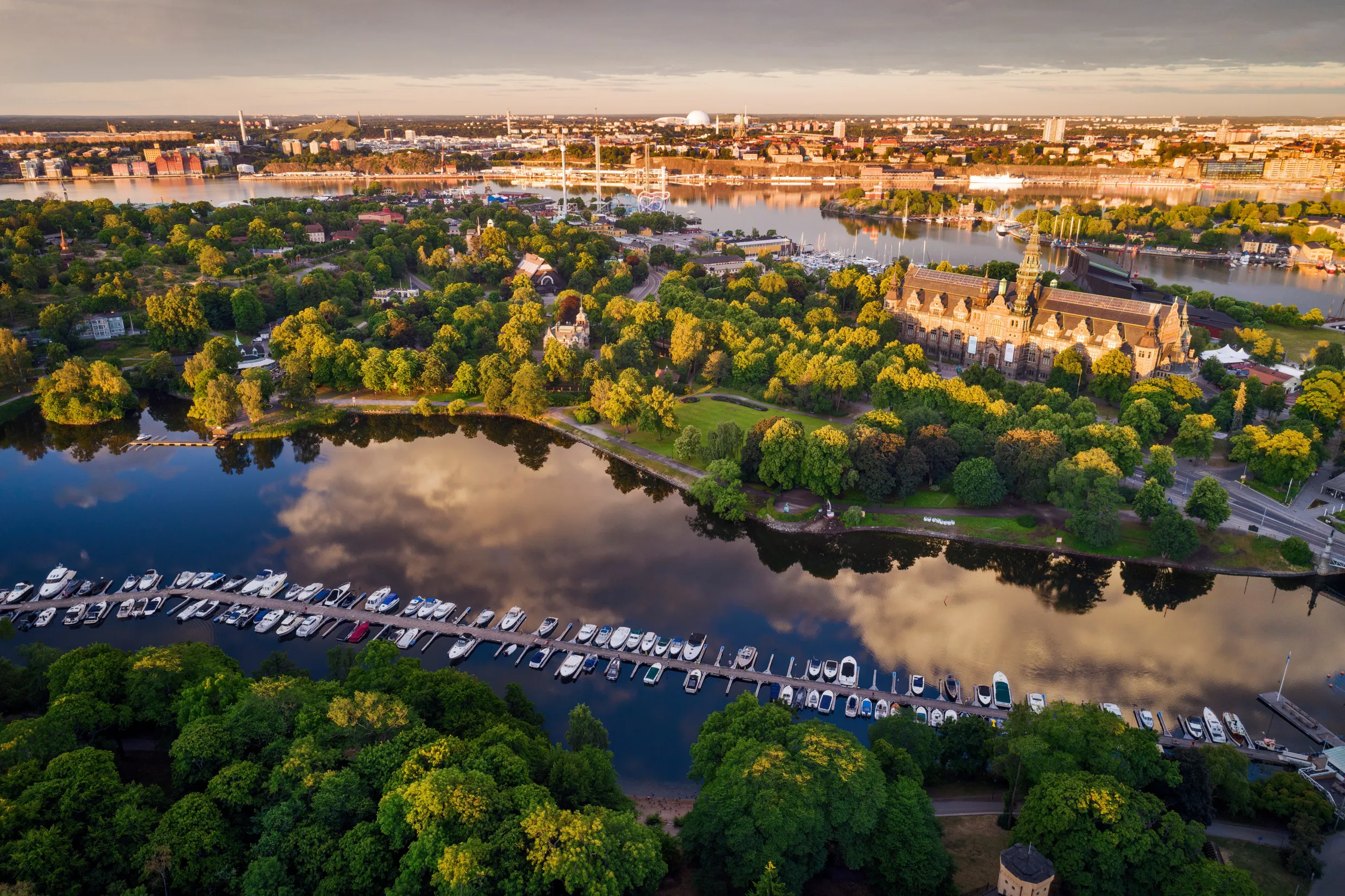
Conservation is constant: facades are restored, wooden façades repaired, and public spaces adapted for climate and accessibility needs. These efforts preserve the visual continuity of the city while allowing modern life to thrive.
As a visitor, buying official museum tickets and respecting protected zones helps sustain conservation work. The hop‑on system, by spreading visitors across several islands and sites, can reduce pressure on fragile historic areas.
Side trips & archipelago viewpoints
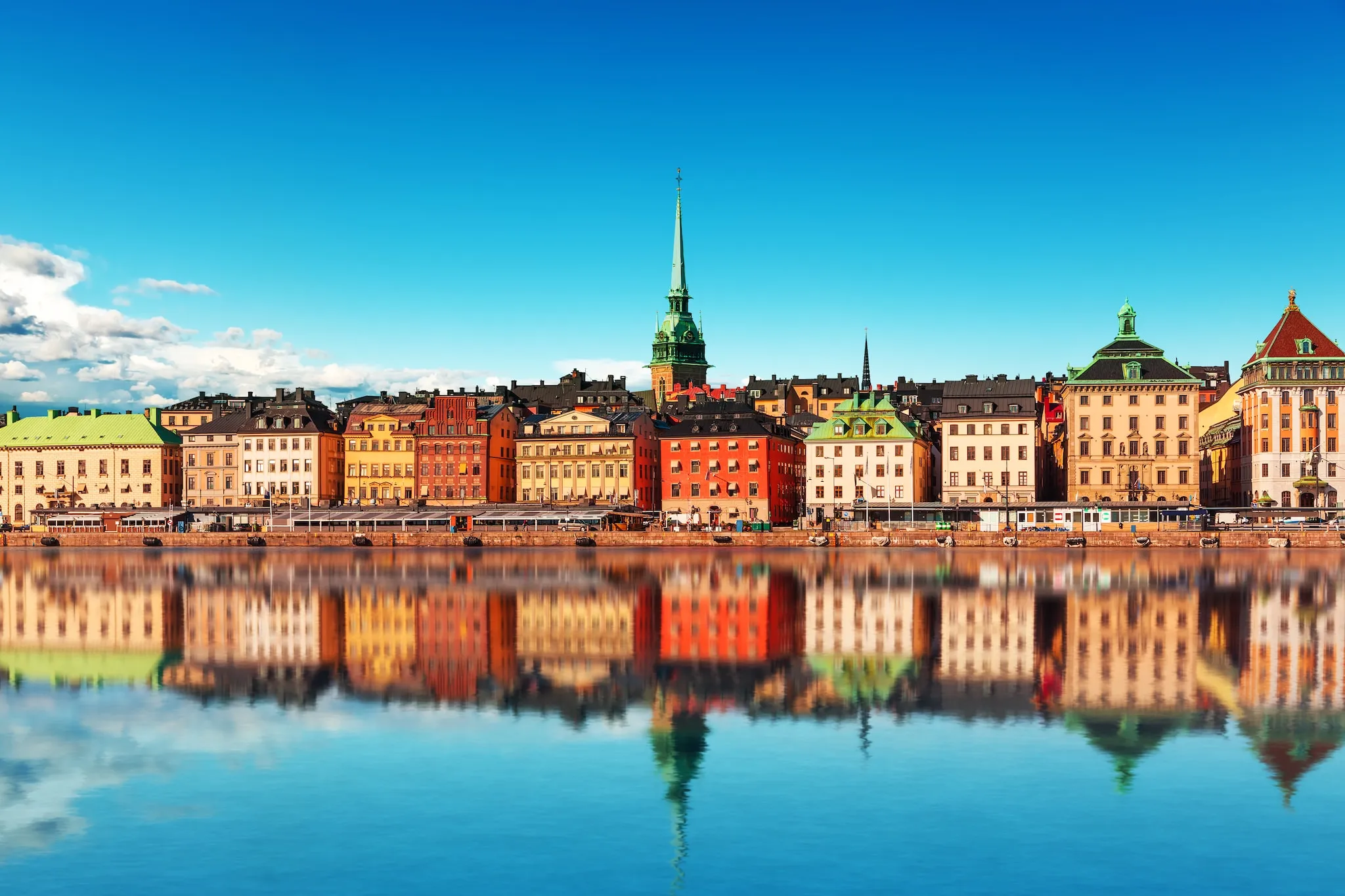
Use the hop‑on pass as a springboard for archipelago trips. From central piers you can catch ferries that take 20–60 minutes to nearby islands, where small villages, beaches and boathouses reward a quieter pace.
These side trips are often the most memorable: simple lunches in seaside cafés, rocky swims, and long views across a thousand islands that have shaped Swedish sea culture for centuries.
Why a bus and boat tell Stockholm’s story
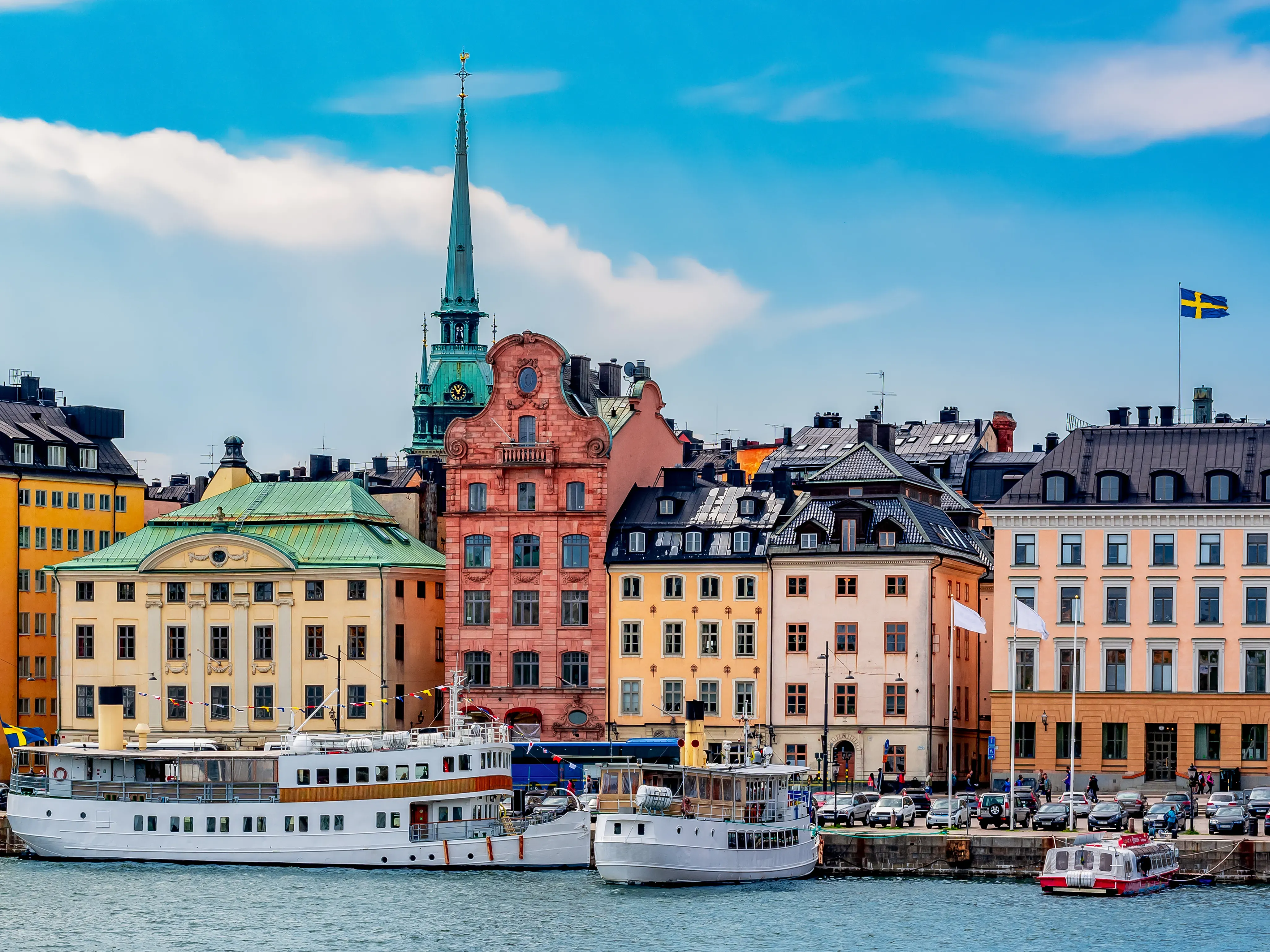
Stockholm’s identity is inseparable from its waters. A hop‑on day that mixes buses and boats creates a mosaic of perspectives — medieval lanes, royal viewpoints, industrial heritage and contemporary design — each connected by the movement of water.
By the end of your day you’ll understand how the city’s islands, bridges and boats shaped everyday life, how commerce and ceremony interwove, and why the simplest boat ride can feel like a short history lesson.
Table of Contents
From Viking traders to modern Stockholm
In the earliest records, what we call Stockholm was a string of islets and shorelines where seafarers moored their boats and bartered goods. Timber and tar, furs and iron, fish and grain moved along these channels, and the narrow waterways shaped how neighborhoods formed. The city’s geography offered a natural moat and excellent access to the Baltic trading routes — qualities that attracted rulers, merchants and craftsmen. As you ride the hop‑on route you follow those old trade lines: quays where boats still tie up, streets that once served warehouses, and bridges that replaced ferry crossings.
Over the late medieval and early modern periods Stockholm took on a distinctly civic identity. Royal palaces and administrative buildings consolidated power; guilds and merchants organised the economy; stone replaced wood in prominent quarters. The visible architecture — ochre façades, cobbled alleys and baroque frontages — masks a longer, rougher history of shipbuilding, fires, and rebuilding. Understanding Stockholm means reading the layers: the medieval cellars, the 17th‑century façades and the 19th‑century embankments that made modern commerce possible.
Gamla Stan: the medieval heart
Gamla Stan is the island where Stockholm’s medieval identity remains most tangible. Walkable and compact, its lanes were once the city’s market, its port and its administrative hub. The Royal Palace dominates one side of the island, a ceremonial stage for royal life and national rituals, while churches and guild houses hint at civic order. Each alley and threshold preserves traces of centuries: worn stone steps, engraved cartouches and hidden courtyards where merchants once traded in hushed tones.
Visitors who hop off here should allow time to linger. Explore side streets, glance up at carved doorways, and pause in a small café for a ‘fika’ — the Swedish coffee break that is itself part of everyday culture. Gamla Stan shows how political power and daily life coexisted: royal pageantry and market stalls, stately halls and ordinary homes pressed side by side.
Water, trade & urban growth
Stockholm owes much of its character to the sea and the lake. Timber, iron and commodities flowed through its ports and underpinned Sweden’s medieval and early modern prosperity. Quays evolved into promenades; old warehouses have been converted into museums, galleries and apartments — a physical narrative of changing economies.
On the hop‑on route you’ll notice cranes turned into design accents, piers reimagined as cafés and old shipyards repurposed for public life. Markets still sell seasonal produce and smoked fish, connecting the contemporary city with centuries of commerce and culinary tradition.
Djurgården: palaces, museums & green lungs
Djurgården began as royal hunting grounds and evolved into a cultural island beloved by families and museum‑goers. The Vasa Museum preserves a 17th‑century warship raised from the harbour; Skansen recreates historic Sweden with living history demonstrations; and countless gardens and shoreline paths make it a breath of green within the city.
A long visit here rewards curiosity: maritime relics, design museums and quiet promenades invite both learning and relaxation. Families often spend hours exploring Skansen’s exhibits or watching the Vasa’s enormous hull dominate an exhibition hall.
Royal palaces and waterfront promenades
The Royal Palace, Svenska Akademien and City Hall speak to Sweden’s ceremonial side. Ceremonies, national celebrations and municipal milestones happen along these façades and quays, where civic life meets maritime spectacle. Strandvägen’s elegant apartment buildings and the promenades of Östermalm show how 19th‑century wealth reshaped the shoreline into a fashionable corridor.
From a hop‑on viewpoint you see how utility and splendour sit side by side: warehouses refitted into cultural venues, docks used for leisure craft, and embankments where people stroll between cafés and galleries.
From shipyards to design districts
Industrial neighbourhoods close to the water were once hubs for shipbuilding and heavy trade; today many have been reborn as centres of design, food and creative industry. Areas of Södermalm pulse with independent shops, studios and a café culture that blends everyday life with inventive culinary scenes.
The city’s design legacy is visible everywhere — functionalist architecture, stylish public spaces and a strong emphasis on human‑scale urban planning. Hop off to wander streets where old factories host galleries, concept stores and craft bakeries.
Bridges, ferries and the archipelago
Stockholm is stitched together by bridges and short ferry hops. These connections are not just practical; they are a key part of the city’s drama — the sightlines, the changing water, and the rhythm of boats and bridges define the local experience.
Consider combining a hop‑on day with a longer archipelago trip to taste the small‑island life: red boathouses, seaweed‑fringed shores and tiny cafés where locals spend summer weekends.
Crowds, safety & accessibility
Stockholm is generally safe and well serviced, but busy summer days draw crowds to prime museums and piers. Keep your belongings close in crowded places and follow staff guidance at boarding points — especially when stepping onto boats or onto busy quays.
Accessibility is good at major stops and museums, with ramps and lifts at many sites. If step‑free access is essential, check stop details or contact the operator ahead of time to plan the smoothest route.
Festivals, culture & seasonal rituals
Stockholm’s cultural calendar pulses with summer concerts, Midsummer celebrations, design weeks and food markets. These events often spill onto the streets and piers, adding local colour to the hop‑on experience and sometimes requiring temporary route adjustments.
Even outside major events, local rituals — morning runners on the quays, families picnicking on park lawns, and evening sauna trips followed by a sea plunge — make the city feel alive and lived‑in.
Tickets, passes & smart planning
Operators offer a range of tickets and bundles — from short loops to full‑day passes and combined museum or boat offers. Read what each pass includes so you don’t buy duplicate museum tickets or miss boat segments that require timed bookings.
If your time is limited, choose a shorter pass or prioritise a couple of islands; for a relaxed discovery, a full‑day pass lets you hop off for museum visits, lunch and long walks without worrying about transport between sites.
Conservation in a lively city
Conservation is constant: facades are restored, wooden façades repaired, and public spaces adapted for climate and accessibility needs. These efforts preserve the visual continuity of the city while allowing modern life to thrive.
As a visitor, buying official museum tickets and respecting protected zones helps sustain conservation work. The hop‑on system, by spreading visitors across several islands and sites, can reduce pressure on fragile historic areas.
Side trips & archipelago viewpoints
Use the hop‑on pass as a springboard for archipelago trips. From central piers you can catch ferries that take 20–60 minutes to nearby islands, where small villages, beaches and boathouses reward a quieter pace.
These side trips are often the most memorable: simple lunches in seaside cafés, rocky swims, and long views across a thousand islands that have shaped Swedish sea culture for centuries.
Why a bus and boat tell Stockholm’s story
Stockholm’s identity is inseparable from its waters. A hop‑on day that mixes buses and boats creates a mosaic of perspectives — medieval lanes, royal viewpoints, industrial heritage and contemporary design — each connected by the movement of water.
By the end of your day you’ll understand how the city’s islands, bridges and boats shaped everyday life, how commerce and ceremony interwove, and why the simplest boat ride can feel like a short history lesson.